Governed Reconciliation Platform
Trusted operational data, before it becomes authoritative in ServiceNow.
Enterprise automation depends on trusted, reconciled source data.
ServiceMatch introduces a governed control layer between enterprise source systems and the CMDB. Instead of relying exclusively on per-source transform logic and downstream cleanup, organizations can normalize, reconcile, validate, and govern source data before it becomes authoritative inside ServiceNow.
Production-deployed at a GxP-regulated pharmaceutical organization, establishing trusted operational context across five discovery sources before governed handoff into ServiceNow.
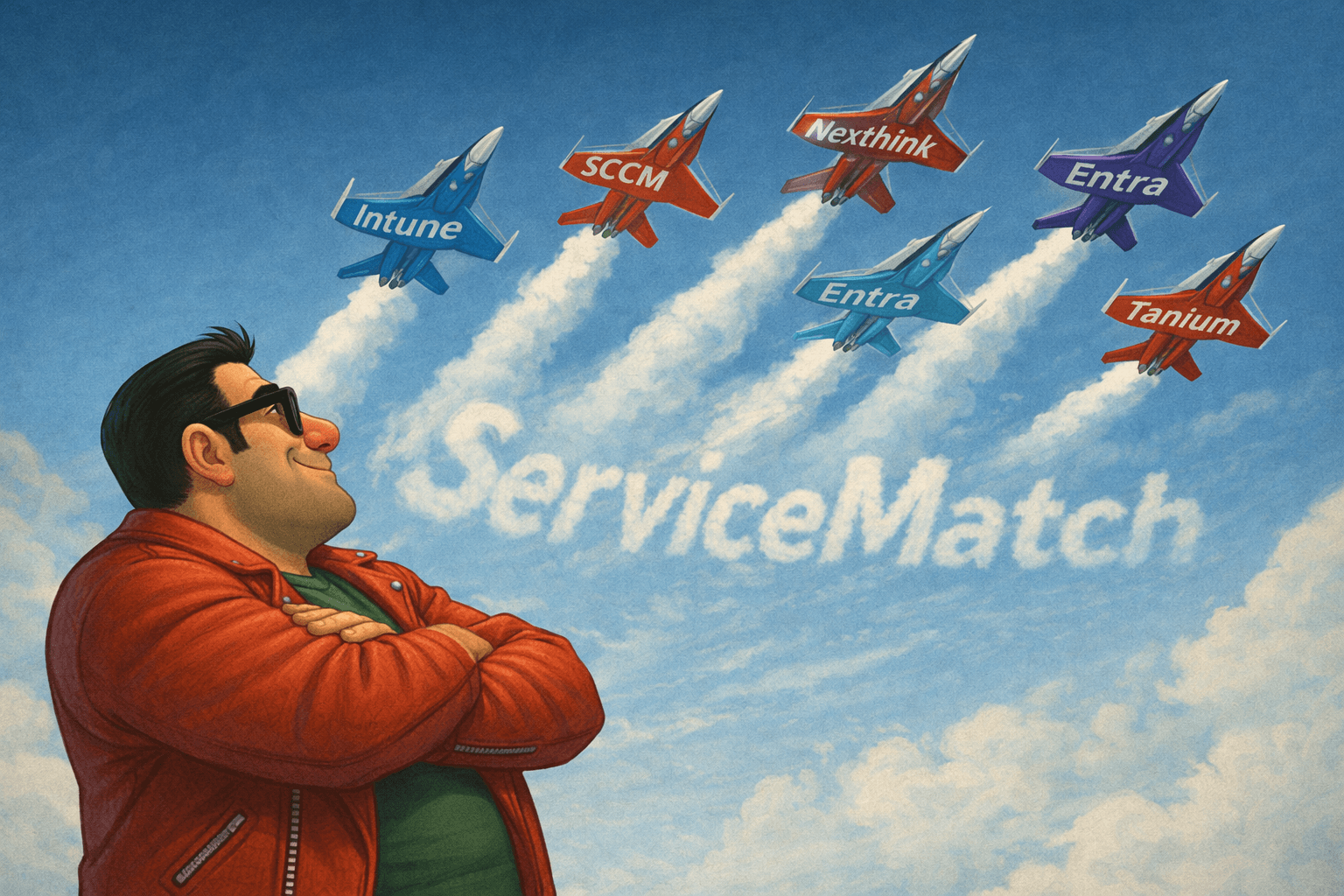
Production-deployed at a GxP-regulated pharma
- 1,700+
- CIs reconciled per run
- 5
- discovery sources unified
- <60s
- governed reconciliation runs
- GxP
- regulated production deployment
Reconciled and handed off in a single governed run, with full source-to-CI lineage.
Why operational trust matters
When trust in that data declines:
- teams validate dependencies manually
- service owners maintain side inventories
- onboarding slows
- governance becomes reactive
- automation initiatives stall
- reporting confidence erodes
Most CMDB issues are not caused by the absence of tooling. They result from fragmented upstream source data entering the platform with inconsistent structures, conflicting ownership, duplicate identities, and unresolved governance decisions.
ServiceMatch helps organizations establish a more governed and trusted data foundation before information reaches production systems.
Enterprise automation, service mapping, change management, and AI initiatives all depend on trusted operational context.
ServiceNow stays authoritative. ServiceMatch governs the path in.
ServiceMatch is not intended to replace ServiceNow CMDB capabilities. It is designed to improve the operating model surrounding how enterprise infrastructure and configuration data is normalized, reconciled, governed, and introduced into ServiceNow.
ServiceNow remains the authoritative system of record. ServiceMatch governs the path into the CMDB.
By introducing a reusable reconciliation layer between enterprise sources and ServiceNow, organizations can reduce onboarding friction, improve governance consistency, and create a more scalable ingestion architecture.
From per-source handling to a reusable ingestion model
Most organizations solve onboarding and reconciliation one source at a time. Over time this creates:
- fragmented transform logic
- inconsistent governance patterns
- growing system complexity
- specialized troubleshooting dependencies
- rising onboarding effort
ServiceMatch helps organizations move from isolated per-source ingestion handling toward a reusable and governable enterprise ingestion model. This enables:
- more predictable onboarding
- reusable governance patterns
- clearer data ownership
- reduced reconciliation effort
- improved scalability as environments evolve
The enterprise operating model
ServiceNow should remain the authoritative system of record — not the place where every upstream inconsistency must be repaired after ingestion.
ServiceMatch introduces an upstream governance and reconciliation layer that allows organizations to:
- normalize discovery structures
- reconcile overlapping source systems
- validate classifications and ownership
- govern ingestion decisions
- preserve explainability before production import
The result is not a different CMDB.
It is a more governable and sustainable path into the CMDB.
The objective is not simply cleaner data. The objective is operational confidence in environments where infrastructure data is fragmented, ownership is unclear, and governance decisions have historically been difficult to scale.
Capabilities
Governance and reconciliation come first; transforms and imports are supporting steps downstream. AI assists reconciliation and classification inside constrained, explainable workflows — every decision stays traceable and reviewable. Governance, not autonomy.
- 1
Reconciliation and governance
Resolve overlapping and conflicting records across sources into governed entities — reconciliation decisions made explicit, reviewable, and traceable.
- 2
Multi-source normalization
Normalize inconsistent discovery structures and field formats from every source into one consistent data model.
- 3
Explainable merge and classification decisions
Every merge and classification carries full lineage — why records combined, which source contributed a field, and how a class was assigned.
- 4
Controlled ingestion workflows
Move source data through reviewable, controlled steps so ingestion is a deliberate, governed handoff — not an uncontrolled push.
- 5
Governance and validation
Validate classifications, ownership, and identity, and govern which records are eligible to become authoritative.
- 6
ServiceNow-ready handoff
Produce a clean, governed handoff that ServiceNow ingests as the authoritative system of record.
- 7
Implementation accelerationSupporting
Generate transform, import, and onboarding artifacts required for ServiceNow ingestion. Governance decisions remain explicit, reviewable, and traceable throughout the process.
Inside the reconciliation workflow
Every reconciliation, merge, and ingestion decision is visible and reviewable. This is what governed pre-ingestion looks like in practice — not a black box, but an explainable workflow you can audit before anything becomes authoritative in ServiceNow.
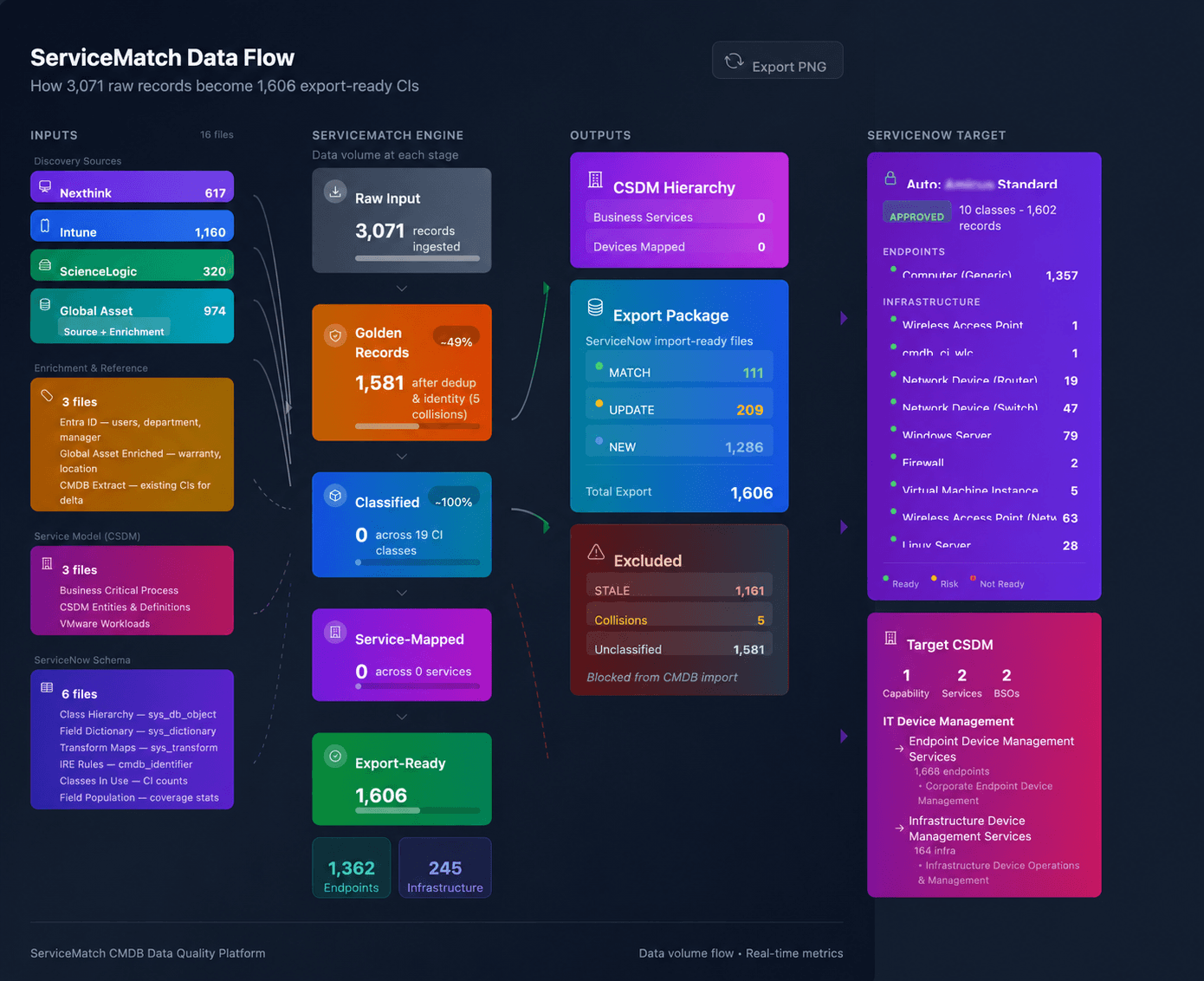
ServiceMatch Data Flow
Every discovery source reconciled into governed golden records — classified, service-mapped, and export-ready — before handoff to the ServiceNow CMDB.
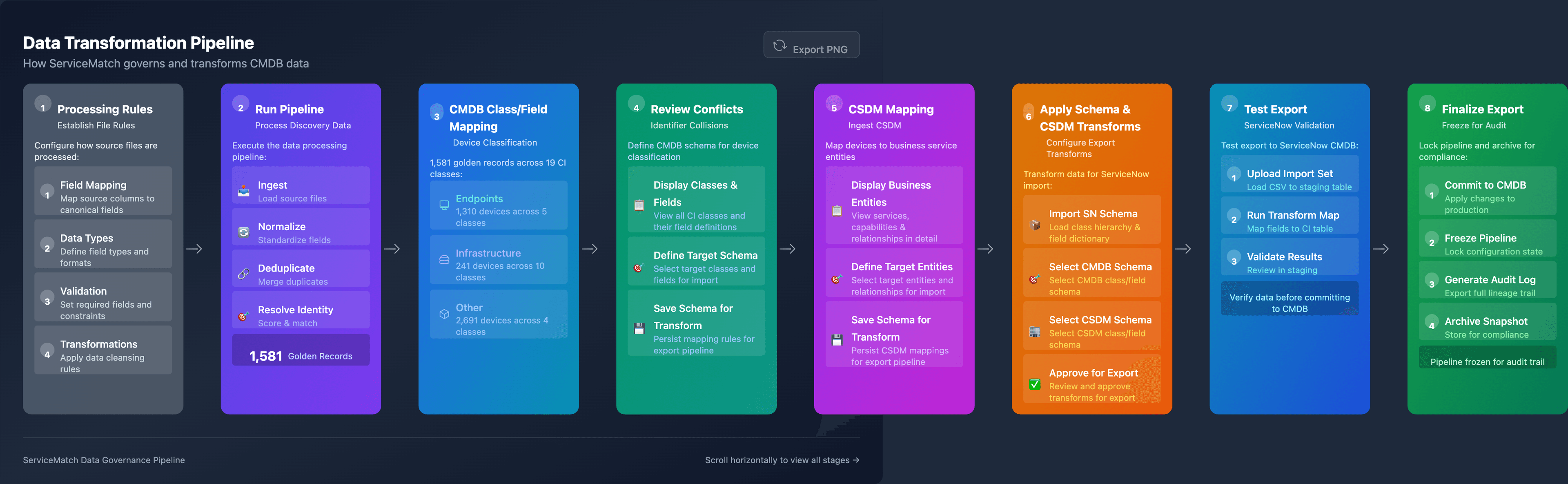
The governed transformation pipeline
From processing rules through classification, conflict review, and CSDM mapping to a frozen, audit-ready export — every stage explicit and reviewable.
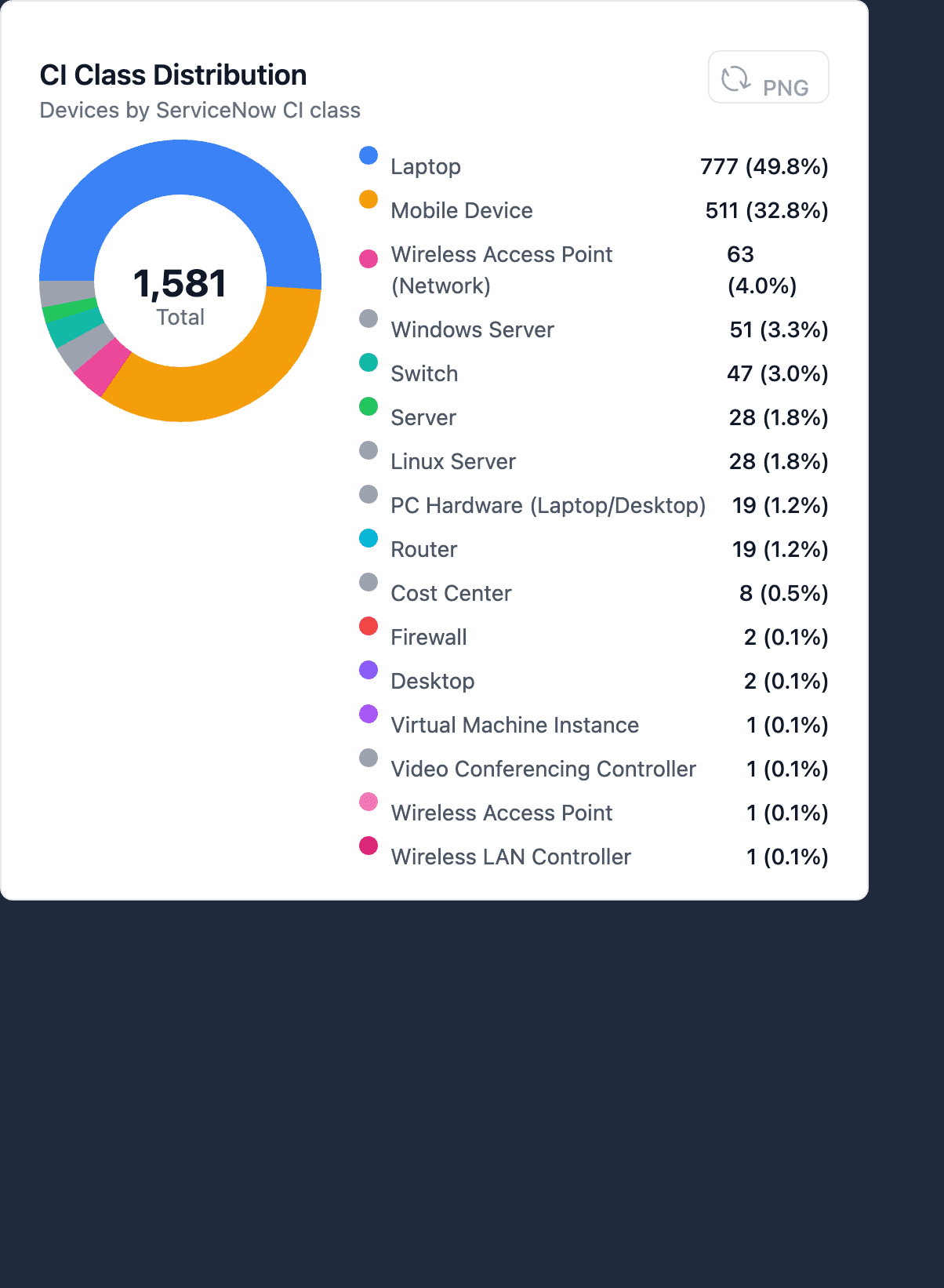
Reconciled CI distribution
Every reconciled device resolved to a ServiceNow CI class, with the full distribution at a glance.
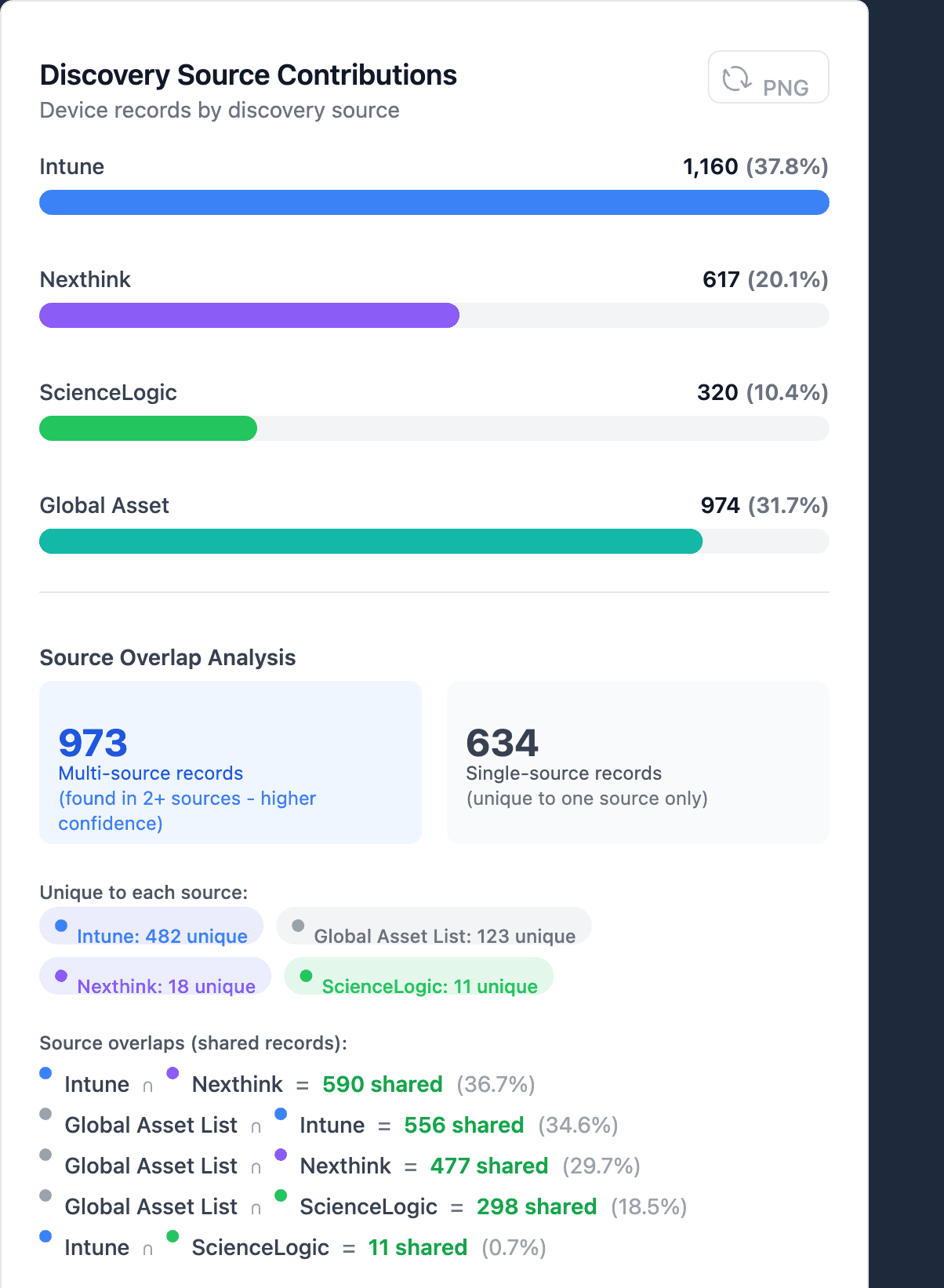
Source contribution & overlap
Per-source contribution and multi-source overlap — so coverage and duplication across discovery sources are explicit, not assumed.
Walkthroughs
The reconciliation and ingestion path
Multi-source normalization → reconciliation → governed handoff into ServiceNow.
ServiceMatch: a governed handoff into ServiceNow
End-to-end view of the governed reconciliation and handoff into ServiceNow.
Handoff artifacts
The transform and import artifacts generated downstream of governance.
See the governed handoff on your data.
A focused walkthrough on your sources, your classes, your governance decisions — the operating model, not a slide deck.
SwipeLeft AI is building ServiceMatch — a governed reconciliation and operational trust platform focused on CMDB governance, discovery normalization, infrastructure data trust, and scalable enterprise automation initiatives.
Enterprise automation increasingly depends on trusted operational context. ServiceMatch helps organizations establish a more governed and sustainable operating model for how infrastructure and configuration data is introduced into systems of record.